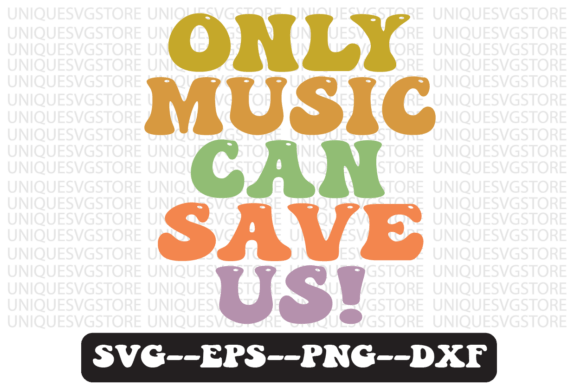
Only Music Can Save Us Retro Svg Design Review
As a designer who spends more time looking at stitch density and thread tension than scrolling through social media, I approach every new digital asset with a healthy dose of skepticism. The market is flooded with vector files that look stunning on screen but fall apart when pushed through an embroidery machine. That is why I took Only Music Can Save Us Retro Svg Design for a spin. This isn’t just another generic graphic; it carries a specific mood—a groovy, retro vibe that speaks directly to the current trend of nostalgic, music-loving aesthetics. But does it translate well into physical form? Can it hold up in a real-world embroidery project, or is it destined to remain a flat image on a monitor?
First Impressions: Mood and Visual Personality
The moment you open this design file, the intent is clear. It leans heavily into the "groovy retro" aesthetic, utilizing curves and typography that feel organic rather than rigid. For designers working in the crafts and graphics sectors, visual personality is everything. This design doesn’t just sit there; it has attitude. It feels like something you would see on a vintage concert poster from the late sixties or early seventies.
From a layout perspective, the composition is balanced. The text "Only Music Can Save Us" is central, commanding attention without overwhelming the surrounding elements. This makes it incredibly versatile. It works as a standalone statement piece on the chest of a sweatshirt or as a larger, more immersive graphic on the back of a hoodie. The retro font choices suggest warmth and community, which are key emotional triggers for buyers. When a customer sees this, they aren't just buying a shirt; they are buying into a lifestyle. That emotional connection is what drives sales in the Etsy seller and small shop product markets.
Real-World Application: From Screen to Stitch
I wanted to see how this embroidery file would perform in a high-stakes scenario. My test case was a custom embroidered tote bag intended for a local music festival giveaway. Tote bags are deceptively difficult; they require a design that can handle movement, friction, and frequent washing while maintaining its shape. I also considered using this for a baby onesie, given the soft, nostalgic feel of the retro theme.
In the context of custom apparel, this design shines. The retro style pairs beautifully with heavy cotton fabrics often used in hoodies and sweatshirts. The thick lines typical of retro graphics tend to embroider cleanly, reducing the risk of thread breaks or puckering. However, the success of this project hinges on execution. A machine embroidery design requires precise digitizing to ensure that the curves don’t become jagged blobs of thread. If the original file lacks proper underlay stitches, the fabric will distort, ruining the clean, professional look that customers expect.
For personalized gifts, such as a holiday gift for a music teacher or a wedding gift for a couple who loves vinyl records, this design offers immediate recognition. It’s relatable. It’s conversational. Unlike abstract patterns that might confuse a buyer, this design communicates its purpose instantly. This clarity boosts buyer engagement because the customer understands exactly what they are getting. It transforms a simple handmade product into a meaningful keepsake.
Technical Considerations and Fabric Choices
While the artistic merit is high, we must talk about the technical side. Not all fabrics are created equal, and this design will react differently depending on your material choice. I strongly advise against using this on thin, stretchy knits unless you are using a heavy-duty stabilizer. The tension required to stitch out the lettering could easily pucker delicate jersey materials, making the finished product look unprofessional.
Textured fabrics, such as bouclé or heavy tweed, present another challenge. The details in the retro graphic might get lost in the weave of the fabric. For the best results, stick to smooth surfaces like canvas for your tote bag design, smooth cotton for sweatshirt embroidery, or tightly woven polyester blends for caps. When testing on dark fabric, you’ll need to choose bright, contrasting thread colors to ensure the retro hues pop. A black background with white or neon yellow thread would amplify the groovy vibe significantly.
Also, consider the hoop size. If you plan to place this on a curved surface like a baseball cap, you need to ensure the design fits within the curve of the crown without distorting. Tight curves can stretch the fabric, leading to misaligned stitches. Always inspect small details before committing to the final run. If the tiny decorative accents in the design are too fine, they may not stitch out clearly, resulting in a muddy appearance. In those cases, simplifying the detail level or increasing the scale might be necessary.
Commercial Viability and Brand Consistency
For creative entrepreneurs and commercial embroidery businesses, consistency is key. This design fits seamlessly into a brand that values nostalgia, music, and handmade quality. It allows you to create a cohesive collection. Imagine matching this with other retro-themed designs for a line of aprons, kitchen towels, and nursery decor. The versatility extends beyond apparel; it works well as wall art prints or pillow covers, broadening your design assets portfolio.
However, before you start listing these items, remember to check the licensing terms. Just because you bought the digital embroidery file does not automatically grant you commercial rights to sell unlimited quantities. Many creators offer different tiers of licenses. Ensure you have the correct permissions to use this as a finished product for sale. Failing to do so can lead to legal issues and damage your reputation as a trustworthy craft business.
Practical Designer Notes for Success
- Test on Scrap Fabric: Never run a full production batch without testing first. Use scrap pieces of the actual fabric you intend to sell to check for puckering, colorfastness, and stitch integrity.
- Check Stitch Density: High-density fills can make garments stiff and uncomfortable. Look for designs that balance coverage with breathability, especially for baby embroidery items where softness is paramount.
- Review Thread Contrast: Create a black-and-white mockup of the design. If the shapes blend together in grayscale, they will likely lack definition in color. Ensure there is enough contrast between the background and the thread.
- Use Proper Stabilizer: The right stabilizer is invisible until it fails. For lightweight fabrics, a cut-away stabilizer provides lasting support. For stable fabrics, a tear-away might suffice. Match the stabilizer to the fabric weight.
- Inspect Small Details: Zoom in on the digitized file. Are the tiny curves sharp? Will they stitch out cleanly? If not, consider adjusting the design parameters or selecting a simpler version.
Final Verdict
Only Music Can Save Us Retro Svg Design is a strong contender for any designer looking to tap into the retro music trend. Its visual appeal is undeniable, and its versatility across various embroidery projects makes it a valuable addition to your library. Whether you are creating holiday embroidery collections, boutique branding, or personalized gifts, this design delivers on both style and substance. Just remember to respect the technical limitations of embroidery, test thoroughly, and always prioritize quality over speed. When executed correctly, this design won’t just stitch onto fabric; it will stitch itself into the hearts of your customers.