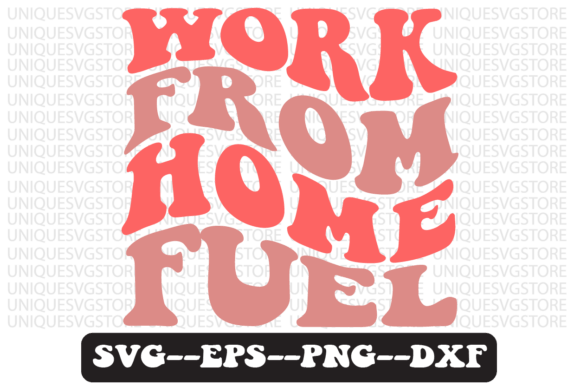
Work from Home Fuel Retro Svg Design Review
As a designer who spends half my day staring at stitch patterns and the other half worrying about client deadlines, I don’t have time for designs that look good on a screen but fall apart under the needle. When I came across the Work from Home Fuel Retro Svg Design, I was immediately drawn to its aesthetic. It taps into that specific nostalgia of the groovy era while addressing the very modern reality of remote work. But does it translate well from a digital graphic to a physical embroidered product? That is the real question.
I put this design through its paces, imagining it on various substrates ranging from heavy cotton sweatshirts to delicate baby onesies. Here is my honest take on how this Groovy retro Svg Design performs in real-world embroidery scenarios, what makes it tick, and where you might run into trouble if you aren’t careful.
The First Impression: Mood and Visual Personality
The moment you load this file, the vibe is undeniable. The "retro" aspect isn't just a filter; it feels intentional. The shapes and typography (assuming standard font pairings for this theme) suggest a playful, energetic mood. It’s not serious corporate branding; it’s a lifestyle statement. For the Crafts and Graphics community, this distinction matters because it dictates who your buyer is.
This design screams casual comfort. It fits perfectly into the current market trend of blending humor with home life. When I visualize this stitched out, I see it as a centerpiece for a hoodie or a tote bag. The visual weight seems balanced—neither too sparse nor overwhelmingly dense. This balance is crucial for an embroidery project because it affects how the fabric drapes and how the design holds up over time. If the design is too intricate, it can pucker; if it’s too simple, it can look cheap. This one seems to hit that sweet spot of legibility and charm.
Real-World Application: Where This Design Shines
I’ve been thinking about where this Work from Home Fuel Retro Svg Design would actually sell. Based on its aesthetic, it is tailor-made for custom apparel. Specifically, I see it thriving on heavyweight cotton blends. A black or charcoal heather sweatshirt with this design stitched in cream or mustard yellow thread would look fantastic. The contrast helps the "groovy" elements pop, which is essential for catching the eye of an Etsy seller or a boutique shopper.
Beyond apparel, this design has strong potential as a personalized gift. Think about the holiday rush. Someone buying a gift for a friend who works from home loves this concept. It’s relatable. It’s funny without being offensive. I imagine this stitched onto a canvas tote bag design, perfect for carrying laptops and coffee cups. The durability of embroidery on a tote bag adds value, making it feel like a premium item compared to a printed vinyl transfer.
Another interesting angle is the nursery or baby market. While "fuel" might sound adult, the retro style is often used in modern boho or mid-century modern baby decor. A small, simplified version of this motif on a baby embroidery piece, like a muslin burp cloth or a onesie, could be a hit. However, this requires scaling down carefully, which leads us to the next critical point: detail level.
Technical Considerations for Embroidery Designers
Let’s talk shop. As an experienced reviewer, I need to warn you about the technical realities of converting a vector SVG into an embroidery file. Even though the source is a clean graphic, the digitization process introduces variables.
- Stitch Density: You must check the stitch density before running any production runs. Retro designs often use thick outlines. If the density is too high, the fabric will pucker, especially on lighter materials like linen or thin polyester. Ensure the fill stitch areas are balanced so the garment doesn’t become stiff.
- Hoop Size Constraints: Always confirm the hoop size required by the final digitized file. If the design is large, it may limit where you can place it on certain garments. For example, placing a wide design on a cap brim might be impossible depending on the curve. Test the design in your software against your actual hoop dimensions.
- Thread Color Contrast: The success of this design hinges on color choice. On dark fabrics, light threads are non-negotiable for readability. On light fabrics, you’ll need darker, saturated threads. Don’t assume the colors in the digital preview match the physical thread. Always do a test run.
If you are planning to use this for commercial embroidery or selling finished products, pay close attention to the licensing terms provided with the digital embroidery file. Just because you bought the graphic doesn’t always mean you have the right to sell unlimited quantities of embroidered goods. Verify these details before listing on your craft business storefront.
Where to Be Careful: Potential Pitfalls
No design is perfect for every substrate. There are specific situations where this Work from Home Fuel Retro Svg Design might struggle.
Avoid using this on highly textured fabrics like chunky knits or bouclé wool. The needle will have trouble finding a consistent path, leading to skipped stitches and a messy finish. Similarly, stretchy fabrics like spandex blends require excellent stabilizer support. Without proper backing, the retro curves might distort as the fabric stretches during wear.
Also, be cautious with tiny lettering. If the original design includes small text as part of the "fuel" theme, ensure it remains legible after stitching. Tiny satin stitches can merge together if the resolution is low, turning words into blobs. If you are creating an embroidered patch or a small logo for a shirt pocket, scale the design appropriately to maintain clarity.
Final Verdict: Is It Worth the Stitch?
Overall, the Work from Home Fuel Retro Svg Design is a strong contender for anyone looking to add personality to their small shop product lineup. It bridges the gap between nostalgic aesthetics and contemporary lifestyle needs. It feels fresh, relevant, and commercially viable.
For the best results, I recommend starting with a scrap piece of your target fabric. Use a quality stabilizer appropriate for the material—cut-away for knits, tear-away for wovens. Inspect the satin stitch edges for smoothness and check that the running stitch accents (if any) lay flat. Once you are satisfied with the test, you can confidently move forward with production.
This design isn’t just a graphic; it’s a conversation starter. Whether you are making a custom apparel order for a local company or creating a unique handmade product for a craft fair, this retro fuel theme provides the emotional hook buyers are looking for. Just remember: great design starts with great execution. Test thoroughly, choose your threads wisely, and let the quality of your stitching speak for itself.
If you are an apparel decorator or a creative entrepreneur looking to expand your offerings, this is a versatile asset. It works as a standalone statement or as part of a larger collection. Just ensure you respect the intellectual property rights associated with the design assets and always prioritize the integrity of the stitch work. In the end, your customers will notice the care you put into every detail, making your brand stand out in a crowded marketplace.